

01244 390 938
01244 390 938
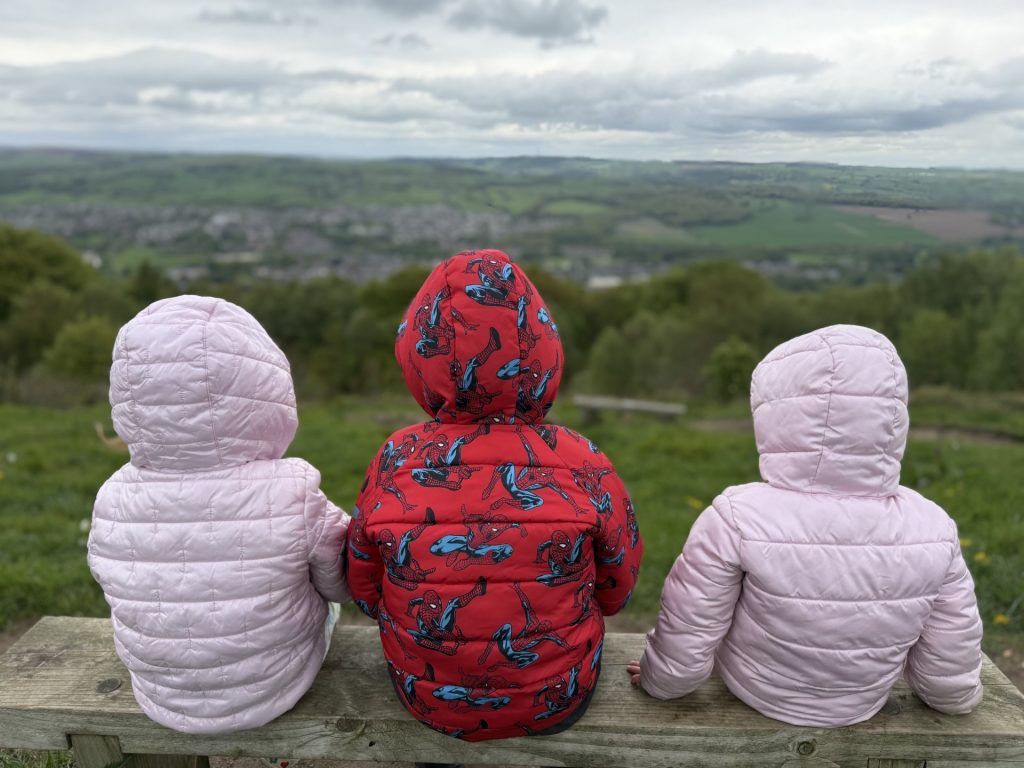


Qadeer, and his husband Mark, met over fifteen years ago and will soon celebrate their tenth wedding anniversary. From early in their relationship, they shared the belief that if they ever chose to have children, they would adopt. They spent years travelling, building their careers and enjoying life together before deciding the time was right to start a family. Without the pressure of a biological clock, they were able to make the decision slowly and intentionally.
Both come from large families—Qadeer is one of eight, and Mark one of four—so the idea of adopting more than one child felt natural.
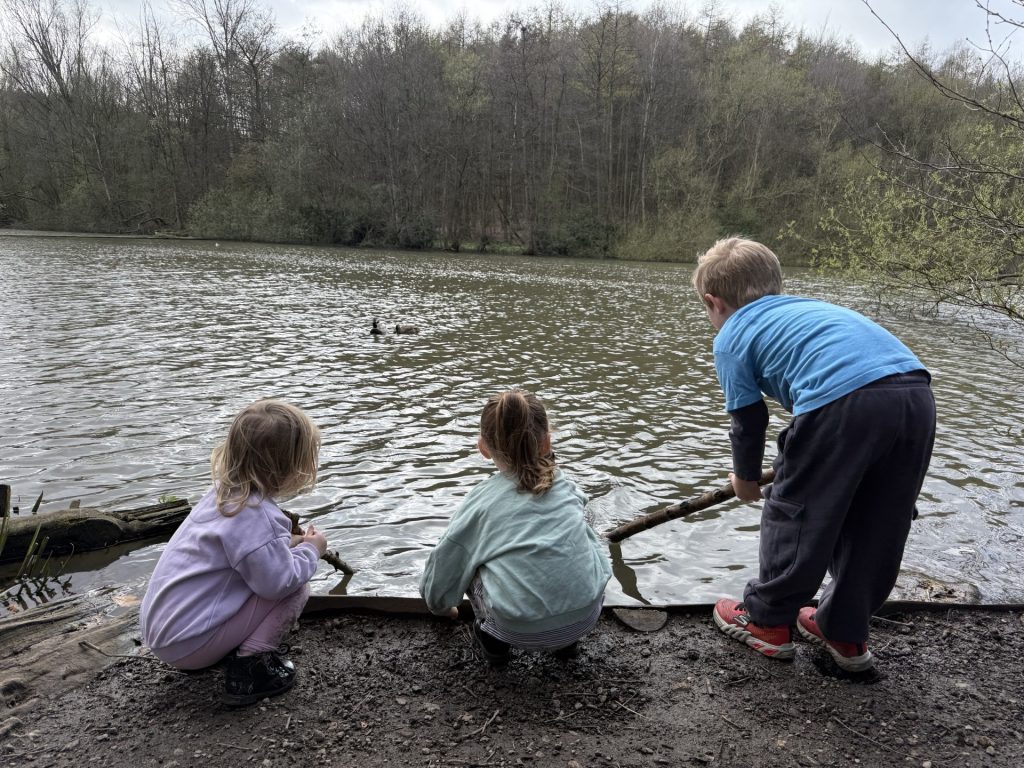
Choosing Adoption Matters
Qadeer and Mark explored several adoption agencies and local authorities when they were first learning about adoption. They ultimately chose Adoption Matters after receiving glowing recommendations from a couple who had adopted three children through the agency. They valued the dedicated support offered and the wider pool of potential children available nationally, not just in their local area. Their Adoption Matters social worker, became an essential source of guidance, advocacy and reassurance throughout the process and beyond.
“People think social workers want to hear that you’ll dedicate 100% of your life to your children. That’s wrong. You still need to live, breathe and be yourself.”
Finding their children
Once their adopter profile went live on a family finding secure system used by adoption agencies nationally, they quickly realised how few adopters were open to sibling groups of three. They were inundated with enquiries from agencies all over the country and eventually made their profile ‘invisible’ to other agencies and let their social worker help with the family finding. Their profile was then shared in in Adoption Matters’ own adopter profile booklet that is shared nationally.
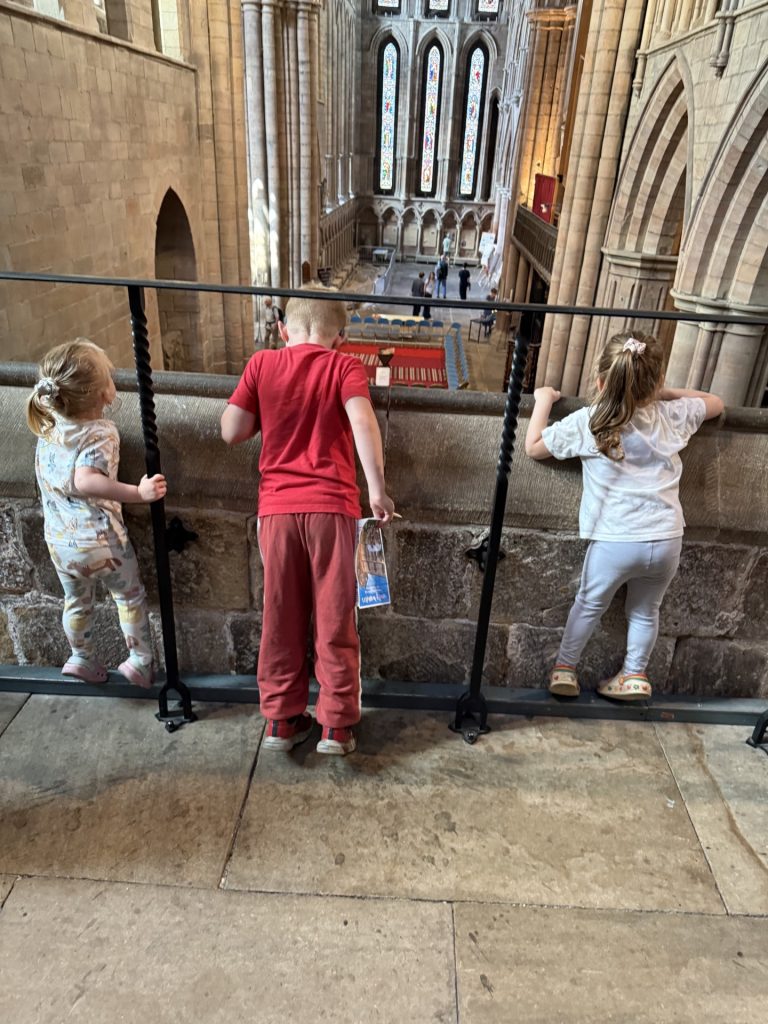
A family finder spotted their profile and contacted their social worker at Adoption Matters. “Our social worker contacted us and said, I have this group of children I want to talk to you about”. The moment Qadeer and Mark saw the children’s details—three siblings aged between 6 months and 3 years old—they felt an immediate connection.
“When we saw their faces, they jumped off the page — especially our middle one. You could see the cheek in her face, her personality just beginning.”
All three children were placed in separate foster placements and it was important to the couple that they would enable them to grow up together, in a safe, stable and loving home.
Their eldest child, Henry, had already experienced six or seven moves in care by the age of three and a half, which moved the couple and they understood that he would likely have additional needs and were prepared to meet them.
Navigating a Complex Introduction Period
The introduction period was long, emotionally draining and complicated by multiple appeals by birth family. Although appeals are common in the adoption process, the emotional toll on and the delays were difficult for everyone involved and meant more delays for the children.
The uncertainty took a toll. Qadeer describes this period as the only time in his life—aside from losing his mother—when he felt genuinely depressed and anxious. He took time off work and focused on what he could control, using this time to visit friends, take a short holiday and spend time with family. A couple of months passed whilst court proceedings finalised, and they were then able to move forward and prepare for introductions.
The introduction period was tricky as they involved so many social workers as the children each had their own, and the children were from an area a long way from the couple’s home so it meant them travelling and overnight stays for weeks. The support from their Adoption Matters social worker during this time, was a “life saver and kept us sane and grounded”.
Early Challenges and Therapeutic Parenting
Bringing three young children home was overwhelming. Henry, having experienced the most trauma and instability in his very young life, struggled significantly with emotional regulation and attachment. Qadeer and Mark had prepared extensively for therapeutic parenting, but as with all parenting, it doesn’t always go to plan.
“We learned to do things our own way. We had three children to keep safe — sometimes you have to trust your instincts.”
Over time, with consistency, therapy and patience, Henry began to settle. The girls, meanwhile, settled more quickly and have thrived.
“Our eldest had such a tough start in life. He still has challenges, but he’s flourishing now — he has a good group of friends, routines, and a whole world of support around him.”
“The girls slotted right in. I know identity questions will come as they grow, but right now they’re thriving.”
Honesty, Support Networks and Realistic Expectations
“No route to familyhood is easy. People romanticise adoption, but the truth is far more complex — and far more rewarding.”
Qadeer is candid about the realities of adoption. He believes prospective adopters should be surrounded by honest people—not those who romanticise adoption or minimise the challenges. Adoption is a lifelong journey.
“Those first few months with Henry, I thought: I don’t think I can do this. And my friends said, ‘Qad, I gave birth to my son and I felt exactly the same, its normal!’ That honesty saved me.”
He emphasises that bonding is not always instant, that grief for your previous life ‘before kids’ is normal, and that parenting—adoptive or otherwise—is hard work.
Qadeer encourages adopters to build a strong support network and to maintain parts of their pre‑parenthood identity. He and Mark continued to make time for themselves, sharing night‑time duties and ensuring they still enjoyed social time and rest when they could.
“It’s a very normal process for anybody who starts a family to ‘grieve’ their previous life. I had such a good one — but now I have a very different, equally amazing life.” Qadeer
Keeping Siblings Together
“We always knew we wanted more than one child. Keeping siblings together mattered a lot to us.”
The couple are proud to have kept three siblings together. With over half of England’s children waiting for adoption being part of a sibling group—and many placed separately—Qadeer hopes their story encourages more adopters to consider siblings.
“There were very few adopters willing to consider three siblings — we felt we could give them what they needed.”
He believes strongly in the importance of maintaining sibling relationships and is grateful that they were able to offer a home to all three children.
Support from Adoption Matters
The couple’s social worker at Adoption Matters, was a constant source of support through their adoption assessment, panel, family finding, placement and ongoing support. They know they can still pick up the phone now years later and she will be there.
“Our Adoption Matters social worker came round every other week and was the one constant support we had. She guided us through some of the hardest weeks of our lives. At a time when we felt vulnerable and unsure whether we were doing a good job, our Adoption Matters Social Worker was the person who steadied us.”
“Our Adoption Matters social worker understood us, understood the children, and helped us make sense of what was happening. Her support made all the difference. With so many professionals involved as all the children had their own separate social worker, it was our Adoption Matters Social Worker who helped us cut through the noise and trust our instincts.”
Looking Ahead
Qadeer is now training to become an Adoption Matters panel member and is passionate about improving representation and understanding within the adoption system. As a gay man from a global majority background, he feels the need for diverse voices and lived experiences to be more present in adoption, especially at panels. He hopes to help shape future practice and support adopters from all backgrounds.
Qadeer is also a volunteer for Adoption Matters “Meet the Adopter” events, where he will share his experiences and will speak honestly about the realities of adoption.
To learn more about adopting with Adoption Matters or to join one of our upcoming events, you can download our Adoption Information Pack. It includes full details about the process, the support we offer, and what to expect at each stage.